How to Launch a Solana Token and Spot Rug Pull Risks Before You Buy
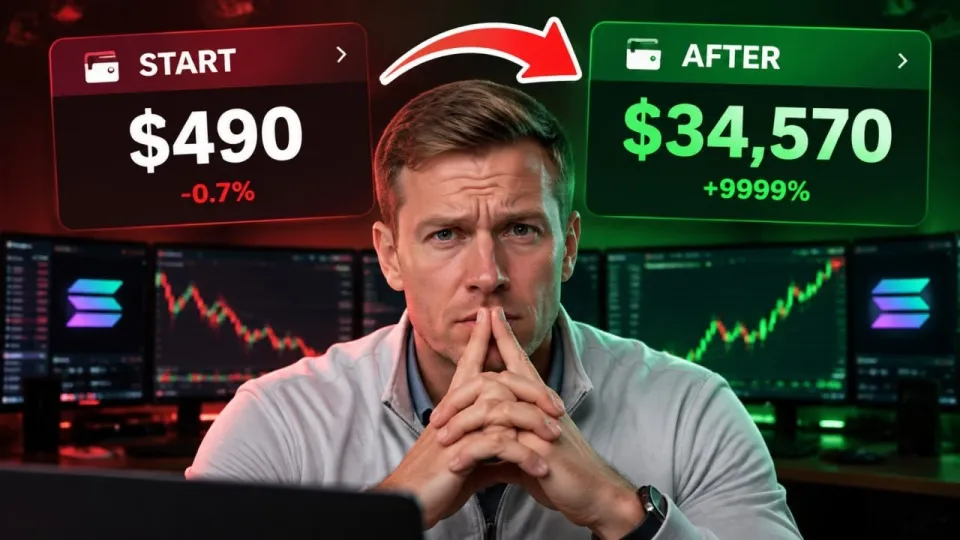
Video: Rug Pull Strategy: Solana Token Launch & Rug Pull Risks
· based on the channel TU ANDROID. COM
Launching a Solana token means creating an SPL token mint, setting its supply and decimals, attaching metadata, and seeding a liquidity pool so the token can actually be traded — and doing it safely means revoking mint and freeze authority and locking that liquidity before anyone buys. On Solana this whole process takes minutes and costs a few dollars in fees, which is exactly why the network produces thousands of new tokens a day and why rug pulls are so common. A no-code route such as the meme coin launch platform at funrug.cc walks you through mint creation, metadata upload, and pool seeding in one interface, so you can see how the mechanics work from the inside instead of guessing.
What a Solana token launch actually involves
A Solana token launch is the process of creating a new SPL token mint and giving it a market, and it breaks down into four technical steps that happen in order.
- Create the mint account. This defines the token's total supply and decimals (most memecoins use 6 decimals and a supply of 1,000,000,000).
- Create the associated token account and mint the supply. The full supply is sent to a wallet you control.
- Attach metadata. Name, ticker, logo, and description are stored via the Metaplex Token Metadata program so wallets and DEX screeners can read them.
- Seed a liquidity pool. You pair your token with SOL on a venue like Raydium or Meteora, which sets the initial price and makes the token tradeable.
Every one of those steps is a permission you can either keep or give up. Keeping them is what makes a rug pull possible; giving them up is what makes a token verifiable. That single distinction is the whole game.
Why Solana became the home of memecoin rug pulls
Solana is the default chain for memecoin rug pulls because sub-second finality and fractions-of-a-cent fees let anyone deploy and abandon a token for pocket change. Compare that to Ethereum mainnet, where deploying a contract and seeding a pool can cost hundreds of dollars — a barrier that naturally filters out low-effort scams. On Solana, a deployer can spend under $5, mint a billion tokens, seed a thin pool, and let automated bots and retail buyers do the rest.
The ecosystem's tooling amplifies this. Launchpads let a creator spin up a token and a bonding curve in a single transaction, and sniper bots monitor new mints and buy within the same block. That combination produces the pattern described in the video breakdown from the channel TU ANDROID. COM: a token appears, a chart prints vertical green candles, and liquidity disappears before most buyers finish reading the ticker. Understanding the mechanics is the only reliable defense, because the marketing copy on a new token tells you nothing about who controls the contract.
The rug pull mechanics you should recognize
A rug pull is the deliberate removal of liquidity or the abuse of contract permissions by a token's creators after buyers have entered, and it almost always runs through one of three levers.
- Liquidity removal. The deployer holds the LP tokens (or the pool is not burned) and withdraws the SOL side of the pair, instantly collapsing the price to near zero.
- Mint authority abuse. If mint authority was never revoked, the creator can mint unlimited new supply and dump it into the pool, diluting every holder.
- Freeze authority abuse. If freeze authority is active, the creator can freeze holder accounts so they cannot sell while the creator exits.
A slower variant is the "slow rug": the deployer keeps the token alive, sells into every pump from a stash of insider wallets, and drains value over weeks rather than seconds. Both variants leave the same forensic trail on-chain, which is why block explorers are the most useful tool a buyer has.
How to check a new token before you buy
Verifying a new Solana token takes a few minutes and four checks, and each one answers a specific question about who holds power over your money.
- Open the mint address on Solscan and check the authorities. Mint authority and freeze authority should both read as revoked or null. If either is still set to a wallet, the creator can dilute or freeze you at will.
- Inspect the holder list. A healthy distribution has a large number of small holders. A single non-pool wallet holding more than 10–20% of supply is a concentrated exit waiting to happen.
- Check the deployer wallet's history. A wallet that has launched ten tokens and abandoned nine of them is a serial rugger, and that history is public.
- Confirm the liquidity is locked or burned. On venues like Raydium you can verify whether LP tokens were burned; if they were not, the pool can be pulled at any moment.
If any one of these checks fails, the token is a bet on the creator's goodwill rather than a trade. Hype, influencer posts, and a polished website are not substitutes for these four data points — they are often the camouflage for their absence.
Common questions from new memecoin traders
The questions that come up most often around Solana launches are about risk, cost, and whether launching a token is itself illegal or unethical.
Launching a token is legal in most jurisdictions; using one to defraud buyers is not, and securities regulators in several countries have pursued memecoin creators over undisclosed insider selling. The cost question is simpler: a basic launch runs from a few dollars in network fees to around 1 SOL if you pay for premium tooling, metadata, and initial liquidity. The risk question is the one that matters most — even a technically clean token with revoked authorities and burned liquidity can still go to zero if nobody wants to buy it, because liquidity and legitimacy are different things.
A recurring theme in viewer discussion of the video is that beginners fixate on the chart and the social hype while ignoring contract permissions and liquidity locks. Those two checks alone would have prevented the majority of losses described in the comments, and they take less time than reading a project's Telegram announcements.
Red flags that precede most rug pulls
Most rug pulls announce themselves before they happen through a consistent set of warning signs, and recognizing them is a skill built by repetition.
- Anonymous team with no verifiable history and a website registered days before launch.
- Liquidity that is unlocked, or a pool so thin that a single sell moves the price double digits.
- A token where the top ten wallets hold the majority of supply, especially if those wallets received tokens at launch rather than buying.
- Aggressive urgency — countdown timers, "last chance" presales, and paid influencers posting identical scripts.
- Trading volume that is almost entirely bot-generated wash trading designed to make the token look liquid.
None of these signs is proof on its own, but they cluster. When three or more appear together, the probability that the launch exists to extract money rather than build something is high.
Conclusion
The mechanics of a Solana token launch are neutral — they are the same whether a project is legitimate or a scam, and the difference lives entirely in which permissions the creator keeps and what they do with the liquidity. Learning to read mint authority, freeze authority, holder distribution, and LP status on-chain turns rug pull risk from an invisible threat into a checklist you can run in minutes. The video breakdown from TU ANDROID. COM is a useful companion to this guide because it shows the launch process from the creator's side, which is the fastest way to understand how the exit is engineered. If you want to see the full launch flow hands-on, start with the platform at funrug.cc, and treat every new token as a contract you have to verify rather than a story you have to believe.
Key takeaways
- A Solana token launch typically costs under 1 SOL when you use a no-code launchpad instead of writing a custom SPL program.
- The three contract switches that enable a rug pull are mint authority, freeze authority, and unlocked liquidity.
- Roughly 1% of pump.fun-style launches ever reach a meaningful market cap; most liquidity is pulled or abandoned within hours.
- Checking holder distribution and the deployer wallet on Solscan takes under two minutes and filters out most low-effort scams.
- No audit, no locked liquidity, and a single wallet holding over 20% of supply are the strongest combined red flags.
Source: Rug Pull Strategy: Solana Token Launch & Rug Pull Risks · Markdown version
Questions & answers
How much does it cost to launch a token on Solana?
Network fees for creating an SPL mint and metadata are typically a few dollars, and seeding an initial liquidity pool adds the SOL you choose to commit. Using a no-code launchpad, a complete launch usually lands somewhere between a fraction of a SOL and about 1 SOL depending on tooling and pool size.
What is the single most important check before buying a new Solana token?
Check the mint and freeze authorities on a block explorer. If either is still active, the creator can mint unlimited supply or freeze your account so you cannot sell. Revoked authorities remove that specific power, though they do not guarantee the project is legitimate.
Can a token still rug if liquidity is locked?
Yes. Locked liquidity prevents the pool from being pulled, but a creator with mint authority can still dilute holders, and insider wallets can still dump their allocations. Locked liquidity removes one attack vector, not all of them.
Why do so many rug pulls happen on Solana specifically?
Low fees and fast finality make it cheap and quick to deploy a token and seed a pool, so the cost of abandoning a project is minimal. Automated bots also buy new mints within the same block, which creates the fake momentum that draws in retail buyers.